
The Street, The Beat, The Heat
Making a photograph that you’re proud of is like hearing your favourite band for the first time. You hear the world and all future music in a different way. After capturing a great image you begin to see things in a different way. Our immediate environment and the streets we walk everyday can bring us something different when we’re really paying attention.
There’s an old debate about what defines “street photography.” Does it need to have people in it? If you shoot a specific subject, is it “documentary photography?” Frankly, it’s not worth my time getting bogged down in its definition. After all, I’d prefer to spend my time shooting. I use “street photography” as a general catch-all for images made in my day-to-day, not for a paid job or project, but simply for my enjoyment.

There are aspects that are worth my time though. Ideas of ethics when making photographs in the community, when and where is appropriate? In an age when we’re captured and monitored more than ever it means that each individual has become acutely aware of their image. Ask a hundred photographers about their approach to making photographs, you’ll get a hundred different answers, and that’s okay…mostly. Some choose to capture the harsh realities of life and, in some cases, purposefully affect the environment to get a reaction from the scene, but running up to people with a flashgun and capturing shocked expressions isn’t really for me.
This isn’t to say that all aspects of life are rosy and there aren’t important topics to be captured but the approach is everything. It’s important to acknowledge that the communities I walk in, with my camera in-hand, include vulnerable people. To know the exact circumstance of every person I have ever captured in a frame is impossible, particularly in a big city or busy scene, but to observe obvious signs and uphold an individual’s dignity is important to me. It’s not always easy and perception will often fluctuate depending on the scenario.
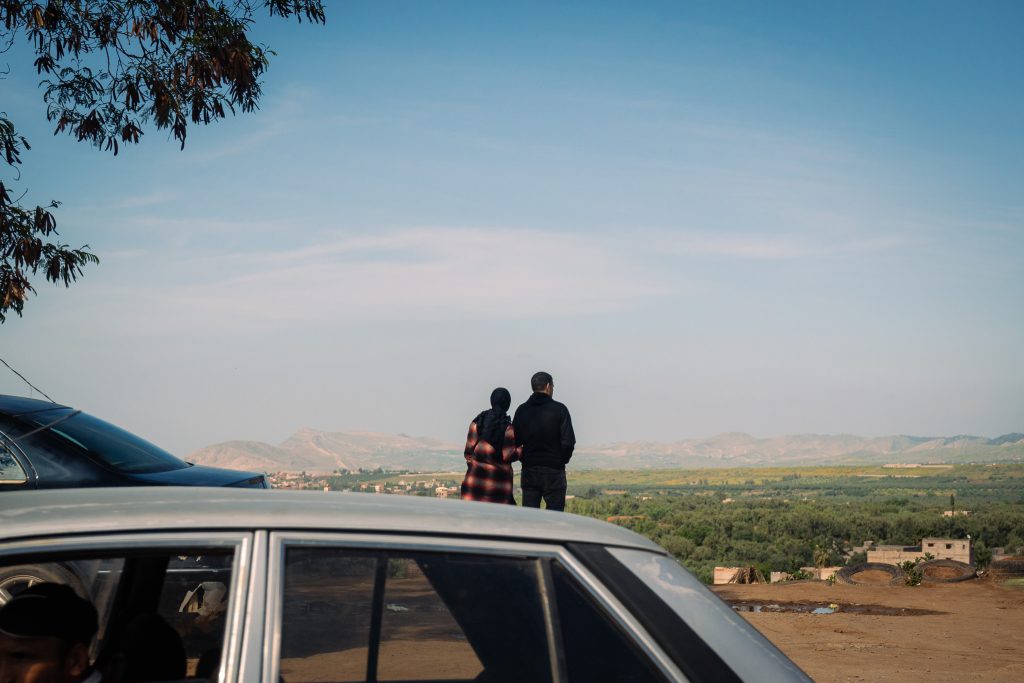
To note, there’s a huge difference between intention and approach. Intention is important, and you may only have good ones, but what goes through your mind may not translate into action. Intention is a huge factor and this is often the actual boundary for people. Being prepared to have a conversation when challenged and having awareness of your presence in a situation is extremely valuable.
There are some who view “street photography” in a negative light, but this may reflect more on their own mindset and intentions. I’ve heard arguments about street photography being weird and suggestions of voyeurism but that, again, is a clear failure of approach and unfortunately with a small few, intention also. It’s important for us to challenge this when we see it. It is an unfortunate part of life, people will take advantage of almost every aspect of it, from steroids in the olympics to anal beads in chess (allegedly).
For me, it is important to hold on to “street photography” as a practice. Not only does it create great art and imagery, it is an easy and accessible way into an artistic practice. It’s hard enough to get a camera for a lot of people, particularly young people. Add on top of that the cost of editing suites or film, and then access to studios and lighting. If we cut off the opportunity to walk our local areas to shoot, we cut off opportunities for huge portions of society to engage in a positive outlet. I mean this sincerely, and not just for photography. We should be making it easier to access these fields. Striving to put cameras, tennis rackets, instruments and books in front of people, young and old, will only create benefits to our society. It’s worth a shot really, isn’t it? Untapped potential, limitless success.
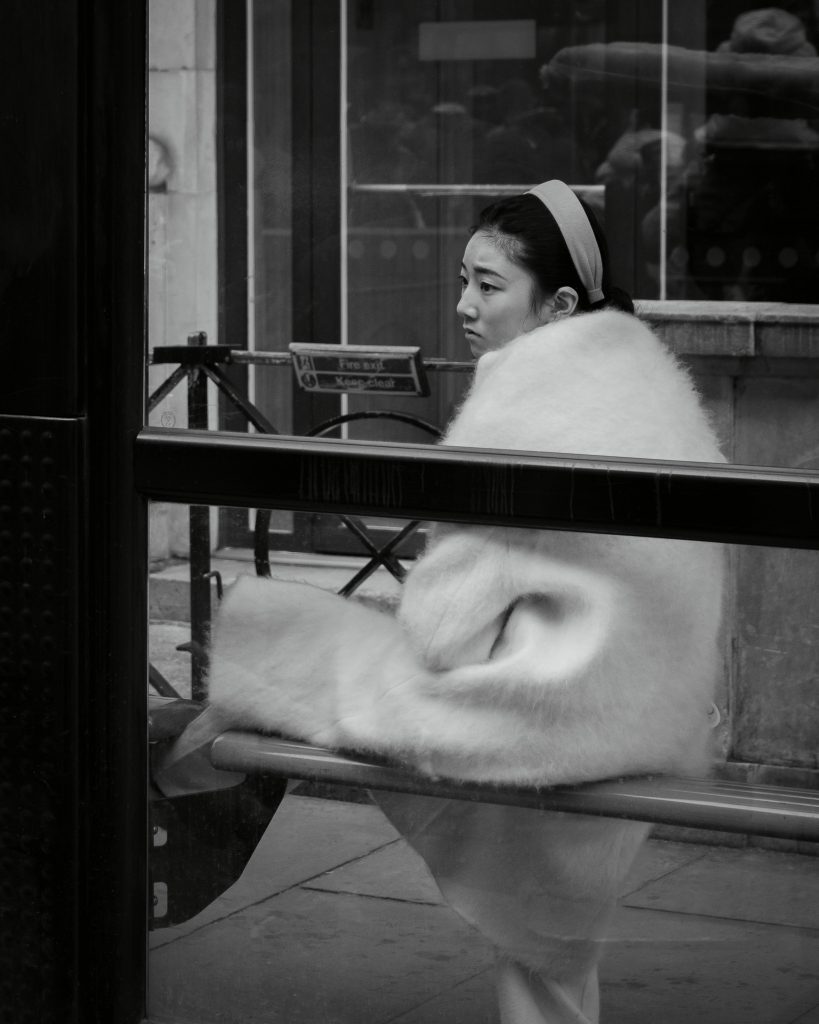
A huge part of the creative process is simply consuming and enjoying other people’s work. Most importantly, engaging with work that I never would or could make. It’s basically my whole life. Everything I read and watch is pretty much work I could never make. That’s part of the enjoyment. To think that there’s someone living down the road from me unable to offer something I would love to see spins my head.
Even since my fairly recent beginnings in photography, I’ve witnessed a big increase of people shooting street photography. In my early wanderings it certainly wasn’t unusual to give a smile and a nod to someone trying to capture the same scene but this now feels more frequent. Street photography can be a lonely pursuit and I love the idea of a wider community. Like any subject or interest, meeting someone who shares a love of photography brings a smile to my face and motivates me to shoot more. For a brief period social media platforms helped with some sort of community, and there are undoubtedly newer, more bespoke spaces catering to specific interests such as photography. Trends are indicating that pure photography is almost lost on most of the bigger platforms, with video and general “content” being pushed more and more. Despite this, it is important to remember that there is a community of people who still love photography, and making photographs has to be done away from the screen.

This community is made up of a range of people at various stages of their photography journey. The different stages, levels, understanding and output are all incredibly important and uphold the structure and overall interest in photography. This is why it’s so important to support and encourage people of all levels. You simply don’t have an expert, upper echelon of photography without the novices and amateurs upholding the structure and consuming the imagery. This is not to say that you have to blow smoke up every photographer’s backside, and that constructive feedback isn’t necessary, but tearing someone’s efforts apart in a comment section kills photography.
As someone who could spend hours of the day people watching, endlessly observing the rhythm of the day go by, to be able to capture the things I see fulfills some part of me. Like finding a centre piece of a jigsaw. I still don’t know what it’s all for. They say the images captured on the street aren’t really for now, but for ten years down the line. When I get there I may be able to tell you why I took them. For others, there’s a clearer, more immediate objective and when I see photographs that resonate from others at all stages of their journeys, it’s almost like they’ve found another piece of the jigsaw, and the anxiety felt from the empty space is subsided as the image slots into place. The jigsaw is infinite, its needs to be. For if is was complete, there’d be nothing left to shoot.
Five tunes to shoot to:
Black Box – Automatic
Miami – Pigeon
For The First Time, Again – Tyler Ballgame
Shiner (The Cape) – Paulie Swan
They Ain’t You – Erykah Badu, The Alchemist, Thundercat